Introduction: Why Your 30s Are the Golden Window for Retirement
Let us be honest for a second. When you are in your 30s, retirement feels like a concept that belongs to a different version of you, someone with grey hair, more free time, and perhaps a slower pace of life. You are busy dealing with career climbing, perhaps raising children, paying down mortgages, or just trying to carve out some semblance of a social life. However, your 30s are actually the most critical decade for your future financial health. If your 20s were for exploring and making mistakes, your 30s are for laying the concrete foundation for the skyscraper that will be your retirement.
Why Start Now Instead of Waiting?
Waiting until your 40s or 50s is like trying to board a high speed train that has already left the station. The math is simple but brutal. Because of the way compound interest works, every dollar you invest in your 30s is worth exponentially more than a dollar invested in your 50s. Think of it like planting a tree. If you plant the seed now, you get to sit in the shade in a few decades. If you wait, you are just planting a twig while the sun is already beating down on you.
Conducting a Comprehensive Financial Audit
You cannot reach a destination if you do not know where you are starting. You need to pull back the curtain on your finances. Gather all your bank statements, credit card balances, investment accounts, and loan documents. Create a simple spreadsheet. List your total assets and your total liabilities. This is your net worth. It might be scary to look at, but this snapshot is the raw data you need to build your roadmap.
Defining What Retirement Actually Looks Like for You
Do you want to travel the world? Do you want to live in a cabin by a lake? Do you want to work part time on projects you love? Retirement is not a one size fits all destination. Your financial goal depends entirely on the lifestyle you envision. You need to estimate your future expenses. If you plan to live modestly, you need less. If you want a luxury lifestyle, you need to ramp up your savings rate right now.
Tackling the Debt Monster
Debt is the anchor dragging your ship toward the rocks. You need a strategy to manage it. Not all debt is created equal, but high interest debt, specifically from credit cards, is a financial emergency. If you are paying 20 percent interest on a balance, you are effectively losing money faster than you can reasonably earn it in the stock market.
High Interest Debt vs. Long Term Investing
There is a constant debate about whether to pay off debt or invest. The rule of thumb is to look at the interest rates. If your debt has an interest rate of 7 percent or higher, prioritize paying it off aggressively. If your debt is low interest, like a student loan or a mortgage at 3 or 4 percent, you can usually afford to invest simultaneously, as your investments will likely outperform that debt cost over the long term.
Building Your Financial Safety Net
Life loves to throw curveballs. A car breakdown, a sudden medical bill, or a job layoff can derail even the best retirement plan if you do not have cash reserves. Aim for at least three to six months of living expenses in a high yield savings account. This is not for investing; this is for your peace of mind so you never have to touch your retirement accounts when life gets messy.
Mastering the Alphabet Soup of Retirement Accounts
The government provides tax advantaged vehicles specifically to help you save. Use them. Do not settle for just leaving your money in a standard brokerage account where taxes will eat your gains.
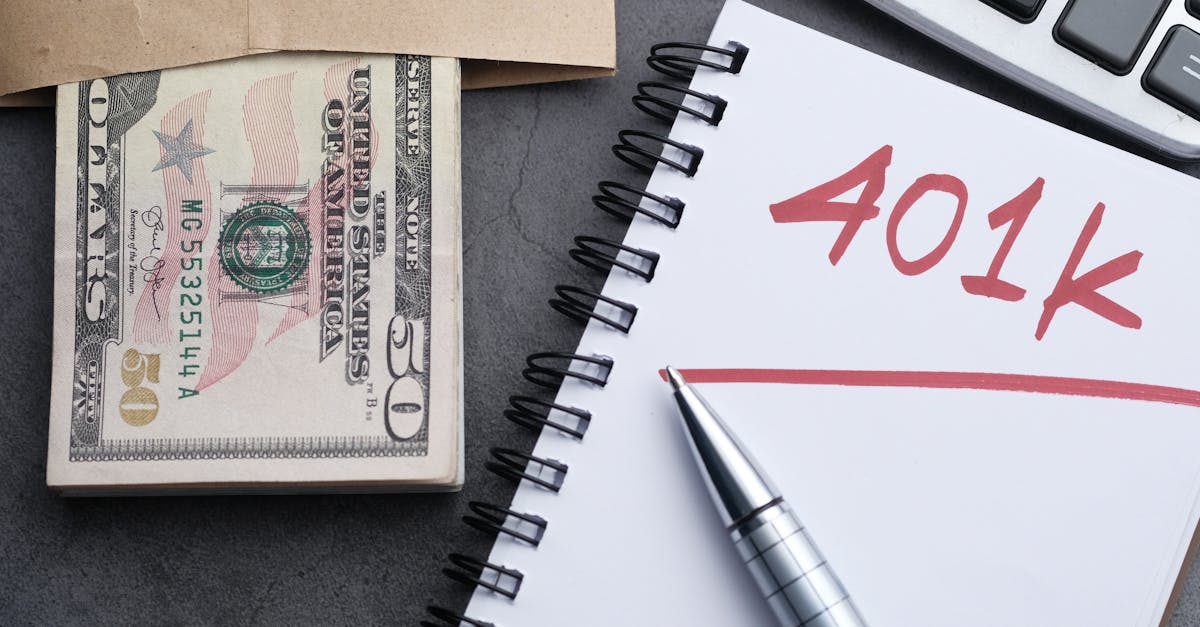
Maximizing Your 401k Employer Match
If your employer offers a 401k match, that is essentially free money. It is a 100 percent return on your investment before the market even moves. Always contribute at least enough to get the full match. It is the closest thing to a guaranteed win you will ever find in finance.
The Role of Traditional and Roth IRAs
An Individual Retirement Account is another tool in your shed. A Traditional IRA offers tax breaks now, while a Roth IRA allows your money to grow tax free and be withdrawn tax free in retirement. In your 30s, if you expect your income to rise later, the Roth IRA is often a fantastic choice because you are locking in today’s lower tax rate.
The Magic of Compound Interest: Your Best Friend
Compound interest is the eighth wonder of the world. It is the interest earned on your interest. It starts slow, almost invisibly, but over 20 or 30 years, it turns into a snowball effect that is impossible to stop. If you invest 500 dollars a month at a 7 percent return, you could have over 500,000 dollars in 30 years. That is the power of time.
Creating an Investment Strategy That Sticks
You do not need to be a Wall Street wizard to invest well. In fact, most people who try to beat the market fail. Focus on low cost, diversified index funds or exchange traded funds. These investments mirror the entire market. They provide steady growth, low fees, and require almost no effort from you after you set them up.
Investing in Your Most Important Asset: Yourself
Your ability to earn income is your greatest wealth building tool. In your 30s, spend money on certifications, education, or networking that increases your earning potential. If you can increase your income, you can increase your savings rate without lowering your quality of life. That is the secret sauce for early retirement.
Avoiding the Trap of Lifestyle Inflation
When you get a raise, the temptation is to immediately upgrade your car, move to a bigger house, or buy nicer clothes. This is called lifestyle inflation, and it is the enemy of your retirement. Keep your living expenses stable even as your income grows. The difference between what you earn and what you spend should go straight into your investment accounts.
Automating Your Way to Wealth
Willpower is a finite resource. Do not rely on it. Set up automatic transfers from your checking account to your investment accounts immediately after payday. If you do not see the money, you will not miss it, and you will become a disciplined investor without having to think about it every single month.
Insurance and Estate Planning Basics
Planning for retirement is also about protecting what you have built. Make sure you have adequate life insurance, especially if you have dependents. Also, draft a simple will or estate plan. It is morbid to think about, but ensuring your assets go where you want them to is a final act of responsibility to your family.
Reviewing and Adjusting Your Plan Annually
A retirement plan is not a stone tablet. Things will change. You might get married, have children, change careers, or experience market volatility. Once a year, sit down with your partner or just with your spreadsheet and see if you are on track. Adjust your contributions if necessary, but try to stay the course through the market ups and downs.
Conclusion: The Journey of a Thousand Miles
Starting to plan for retirement in your 30s is one of the smartest gifts you can give your future self. It might seem daunting, but once you break it down into these manageable steps, it becomes a simple matter of consistency and time. You do not need a massive windfall to become wealthy; you just need a plan and the discipline to follow it. Start today, automate your savings, and watch as the magic of compounding turns your small contributions into a mountain of financial independence.
Frequently Asked Questions
1. Is it too late to start saving if I am in my late 30s? Absolutely not. While starting earlier is ideal, starting in your late 30s still gives you decades of compounding time before traditional retirement age.
2. How much of my income should I be saving for retirement? A good goal is to save at least 15 percent of your gross income, but even starting with 5 percent is better than saving nothing at all.
3. Should I prioritize my children’s college fund over my retirement? Always prioritize your retirement. Your children can borrow money for college, but you cannot borrow money for your retirement.
4. What should I do if the stock market drops? Do not panic and do not sell. Market corrections are a normal part of the process. If you have a long term perspective, these dips are actually opportunities to buy shares at a lower price.
5. Do I need a financial advisor in my 30s? You might not need a full service advisor yet, but talking to a fee only financial planner for a one time consultation to set up your roadmap can be incredibly valuable.